€670 Million Sent Abroad While Ireland Breaks at Home: The True Cost of Foreign Aid
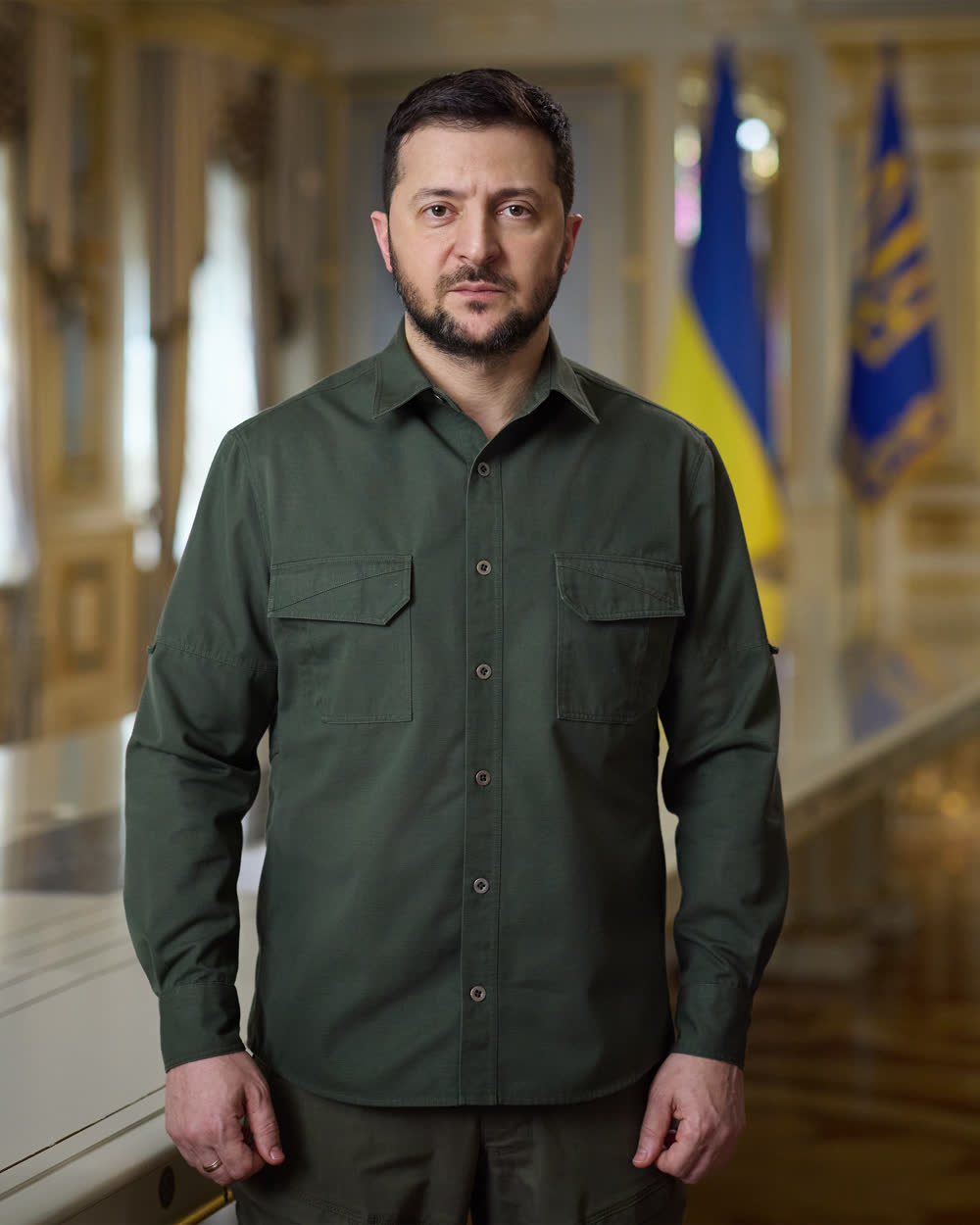
As the Irish public faces an unprecedented domestic cost-of-living and public services crisis, the Irish State continues to transfer hundreds of millions of euros abroad. Following recent bilateral commitments, total direct Irish state aid to Ukraine has surpassed €670 million, in addition to more than €2 billion spent domestically on refugee accommodation and support services.
This financial transfer comes at a time when Irish public infrastructure is experiencing severe strain, raising pressing questions about state priorities, historical reciprocity, and governance abroad.
The Domestic Contrast: What €670 Million Means for Ireland
According to official Department of Housing metrics, the average baseline construction cost for a state-built social home on public land is approximately €318,000.
- 2,100+ Homes Foregone: Retaining the €670 million in the domestic capital budget could have fully financed the construction of more than 2,100 permanent social and affordable homes.
- Homelessness Crisis: This funding disparity occurs while over 14,000 people—including thousands of children—remain in emergency accommodation across Ireland.
- HSE & Healthcare Strain: While the Health Service Executive (HSE) contends with systemic deficits, recruitment freezes, and emergency department overcrowding, nearly 900,000 people remain on hospital waiting lists for essential procedures, consultations, and scans.
A One-Way Relationship
Historically, the flow of assistance between the two nations has been strictly one-directional:
- Zero Historical Reciprocity: Since establishing formal diplomatic relations in 1992, the Ukrainian state has never provided financial aid, humanitarian relief, or disaster assistance to Ireland.
- Ireland as a Long-Standing Donor: Irish charitable support—such as decades of community aid for children impacted by the Chernobyl disaster—and current state contributions mean Ireland has consistently acted as a unilateral donor nation.
The Governance & Corruption Track Record
Irish funding—which includes over €290 million channeled through the European Peace Facility for military and non-lethal equipment—is flowing to a government that has faced persistent, verified corruption and procurement scandals:
- The Pandora Papers & Offshore Assets: In October 2021, the International Consortium of Investigative Journalists (ICIJ) revealed that Volodymyr Zelenskyy and his close circle operated a network of offshore shell companies registered in the British Virgin Islands, Cyprus, and Belize. Documents confirmed the transfer of a 25% stake in Maltex Multicapital Corp just prior to his 2019 presidential election.
- Military Procurement Embezzlement: In 2023, former Deputy Defense Minister Vyacheslav Shapovalov was arrested and charged following an investigation into defense procurement fraud. He oversaw contracts that purchased food rations for frontline troops at two to three times standard retail prices and accepted substandard protective vests.
- Systemic Draft Board Bribery: In August 2023, the Ukrainian presidency dismissed all regional military recruitment heads after state anti-corruption investigators uncovered organized bribery operations selling counterfeit medical exemptions to draft-eligible men.
- State Farmland Seizures: In April 2024, the National Anti-Corruption Bureau of Ukraine (NABU) formally charged then-Agriculture Minister Mykola Solskyi with heading an illicit scheme that expropriated state-owned farmland valued at over $7 million.
Had enough? Record it.
Vote now